Roasting a turkey for Thanksgiving is a cherished tradition that brings family and friends together. Getting it just right can feel like a daunting task, but with some simple tips, you can achieve a beautifully golden, juicy bird that will impress everyone at the table. The process and having a few tricks up your sleeve can make all the difference.
Selecting the right turkey is crucial. Fresh or frozen, the size of the turkey should be determined by the number of guests. A general rule of thumb is to allocate about one pound per person. Opting for a free-range or organic turkey can enhance the flavor and texture, providing a more satisfying dining experience. Thawing a frozen turkey requires planning, as it typically takes about 24 hours for every four to five pounds in the refrigerator. Allowing enough time for this step ensures that the turkey cooks evenly.
Brining the turkey is a game changer. A simple brine made of water, salt, and sugar can work wonders. Soaking the turkey in this solution for several hours, or even overnight, helps to infuse moisture and flavor. Adding herbs, spices, and citrus to the brine can elevate the taste even further. After brining, it’s important to rinse the turkey well and pat it dry to ensure crispy skin during roasting.
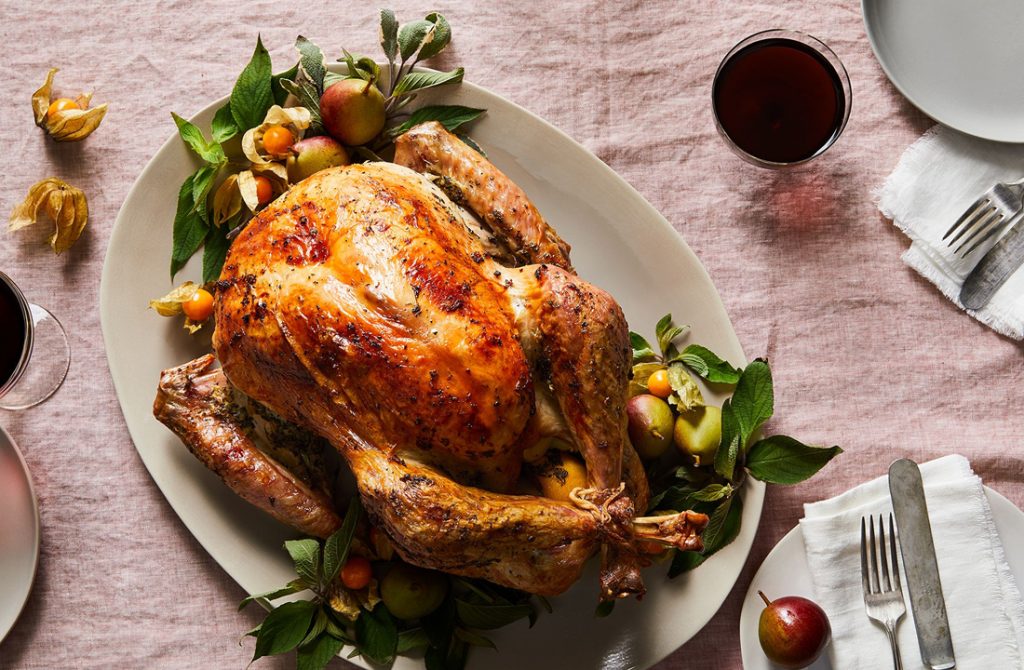
When it comes to seasoning, less can be more. A generous rub of olive oil or softened butter all over the turkey not only adds flavor but also promotes that beautiful golden color. Seasoning with salt, pepper, and fresh herbs like rosemary and thyme can enhance the natural taste of the turkey. Placing herbs and aromatics like garlic and onion inside the cavity can infuse additional flavor as it roasts.
The roasting technique is essential for achieving the perfect turkey. Preheating the oven to a high temperature, around 425 degrees Fahrenheit, for the first 30 minutes can help create a crispy skin. After that, lowering the temperature to around 325 degrees ensures even cooking throughout. Basting the turkey every 30 to 45 minutes with the juices that accumulate in the pan can keep the meat moist and flavorful. Using a meat thermometer is a reliable way to check for doneness; the internal temperature should reach 165 degrees in the thickest part of the breast.
Resting the turkey after roasting is just as important as the cooking process. Allowing the turkey to rest for at least 20 to 30 minutes before carving allows the juices to redistribute, resulting in a more succulent bird. Covering it loosely with aluminum foil helps retain warmth without steaming the skin.
Carving the turkey can be an art in itself. Using a sharp knife and starting with the legs and thighs can make the process smoother. Slicing against the grain ensures tender pieces for serving.
Roasting a Thanksgiving turkey can be a rewarding experience that brings joy to your holiday gathering. With careful planning, attention to detail, and a few tried-and-true techniques, you can create a centerpiece that your loved ones will remember for years to come. Enjoy the process, and savor the delicious results.