Finding studs in your walls can be a tricky task, especially when you’re trying to hang something heavy or make renovations. A stud finder is a handy tool that can simplify this process, ensuring that you know exactly where to drill or nail without risking damage to your walls. Stud finder is essential can save you time, effort, and potential frustration.
One of the main reasons to use a stud finder is accuracy. These devices are designed to detect wooden or metal studs behind your walls, which can be difficult to locate by simply knocking or tapping. Many stud finders use advanced technology, such as magnetic sensors or electronic signals, to pinpoint the exact location of the studs. This level of precision means you’re less likely to miss a stud or accidentally hit a pipe or electrical wire while working.
Another significant advantage of using a stud finder is the time it saves. Without this tool, you might spend valuable minutes or even hours trying to locate the studs manually. By using a stud finder, you can quickly identify the right spots to hang shelves, pictures, or other items. This efficiency can be especially beneficial for larger projects where multiple studs need to be located in a short amount of time.
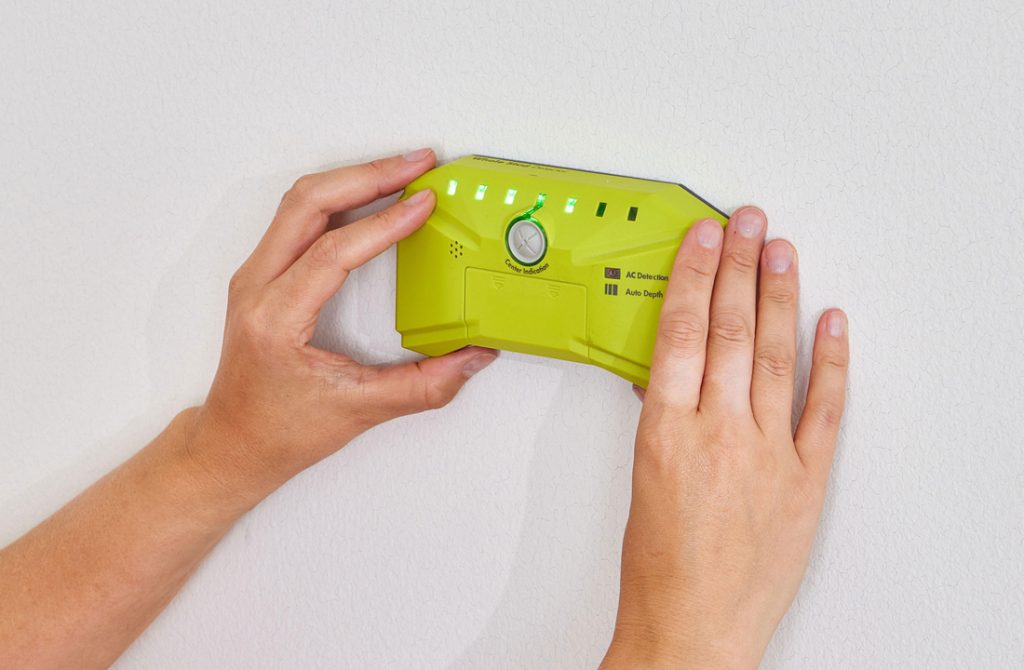
Using a stud finder also minimizes the risk of damaging your walls. When you drill or hammer without knowing where the studs are, you run the risk of creating unnecessary holes or damaging the drywall. This not only makes your walls look unappealing but can also lead to more extensive repairs down the line. A stud finder helps you avoid these issues by ensuring that you’re working in the right spots from the get-go.
There are various types of stud finders available on the market, each with its own features. Some are simple and easy to use, while others come with advanced capabilities like depth detection or the ability to locate live wires. Choosing the right stud finder depends on your specific needs. For casual DIY projects, a basic model may suffice. However, if you’re a frequent renovator or working on more complex tasks, investing in a more advanced tool might be worthwhile.
When using a stud finder, it’s crucial to follow the instructions carefully. Most models require you to calibrate the device before use, which ensures accuracy. Once calibrated, simply run the stud finder along the wall, and it will indicate where the studs are located. Many devices will beep or light up when they detect a stud, making it easy to know when you’ve found the right spot.
It’s helpful to know that stud finders can be used for more than just locating studs. They can also help you identify pipes and electrical wiring behind the walls. This feature can be invaluable when planning renovations or repairs, as it helps you avoid potential hazards.
Incorporating a stud finder into your toolbox can significantly enhance your home improvement projects. With its accuracy, time-saving capabilities, and ability to prevent damage, this tool is a must-have for anyone looking to tackle DIY tasks. Whether you’re hanging a picture frame or installing shelves, a stud finder can make the process smoother and more efficient. Investing in this simple yet effective tool can lead to better results and a more enjoyable experience when working on your home.